
As April came to an end, so did the Science of Well-Being lessons for the…







The Science of Well-Being Lessons – February
The Science of Well-Being lessons continued this month with Mrs. Kennedy focusing on the power of thoughts and words with the younger grades, as well as relationships with self and meaning with the older grades. Read more below and don’t forget to check out the Parent Tips at the end.
The Power of Thoughts, Words, and Self-Connection
This month across Kindergarten through 8th grade, our Science of Well-Being lessons focused on one powerful idea: our thoughts and words shape our feelings, relationships, and sense of meaning.
From learning how to manage worries, to understanding tone of voice, to reflecting on identity and purpose, the girls explored how internal dialogue and communication influence well-being.
Kindergarten – 2nd Grade: The Power of Thoughts & Managing Worry
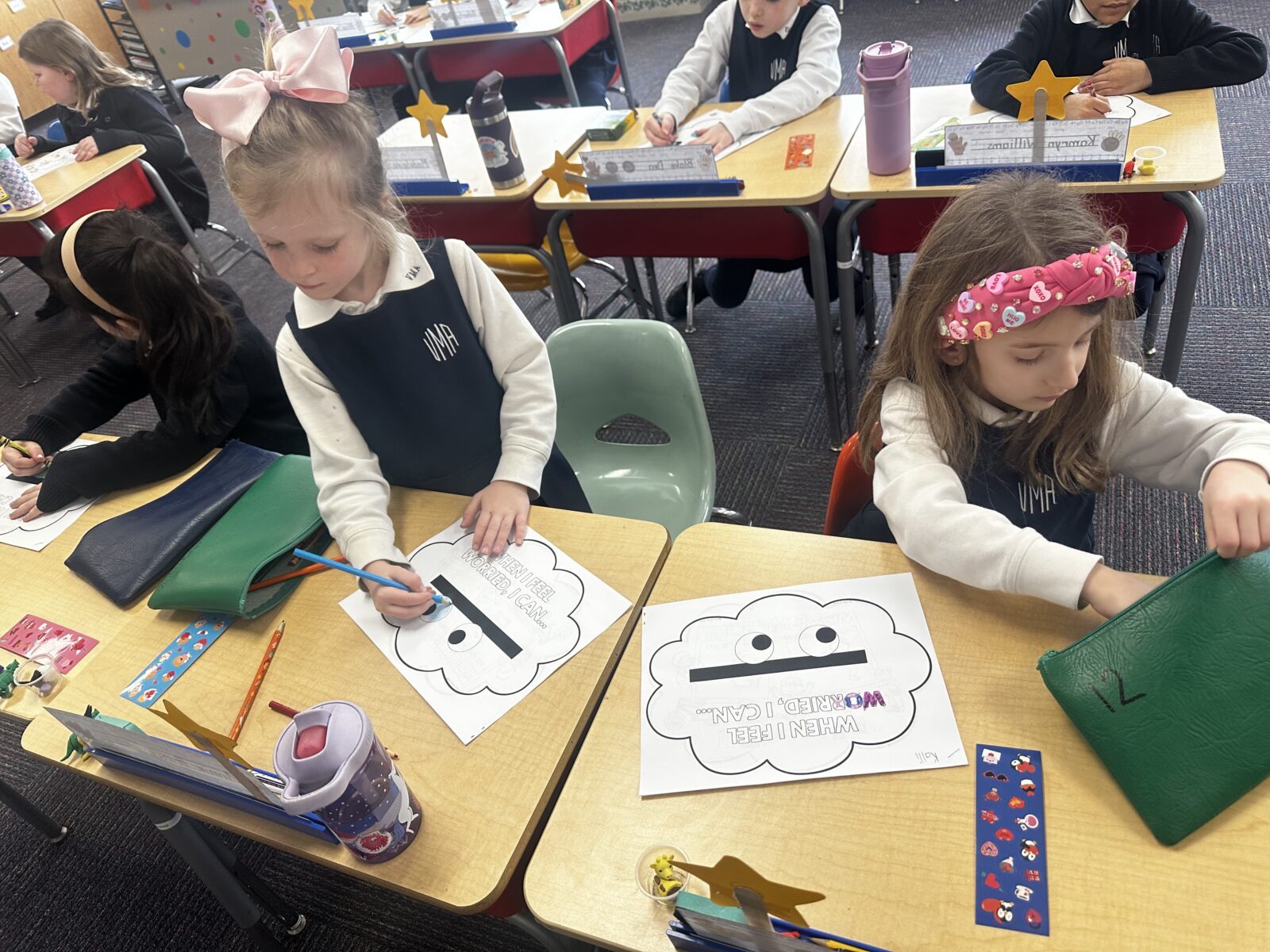
In the youngest grades, the girls explored how thoughts can grow into worries and how they can also learn to settle and manage them.
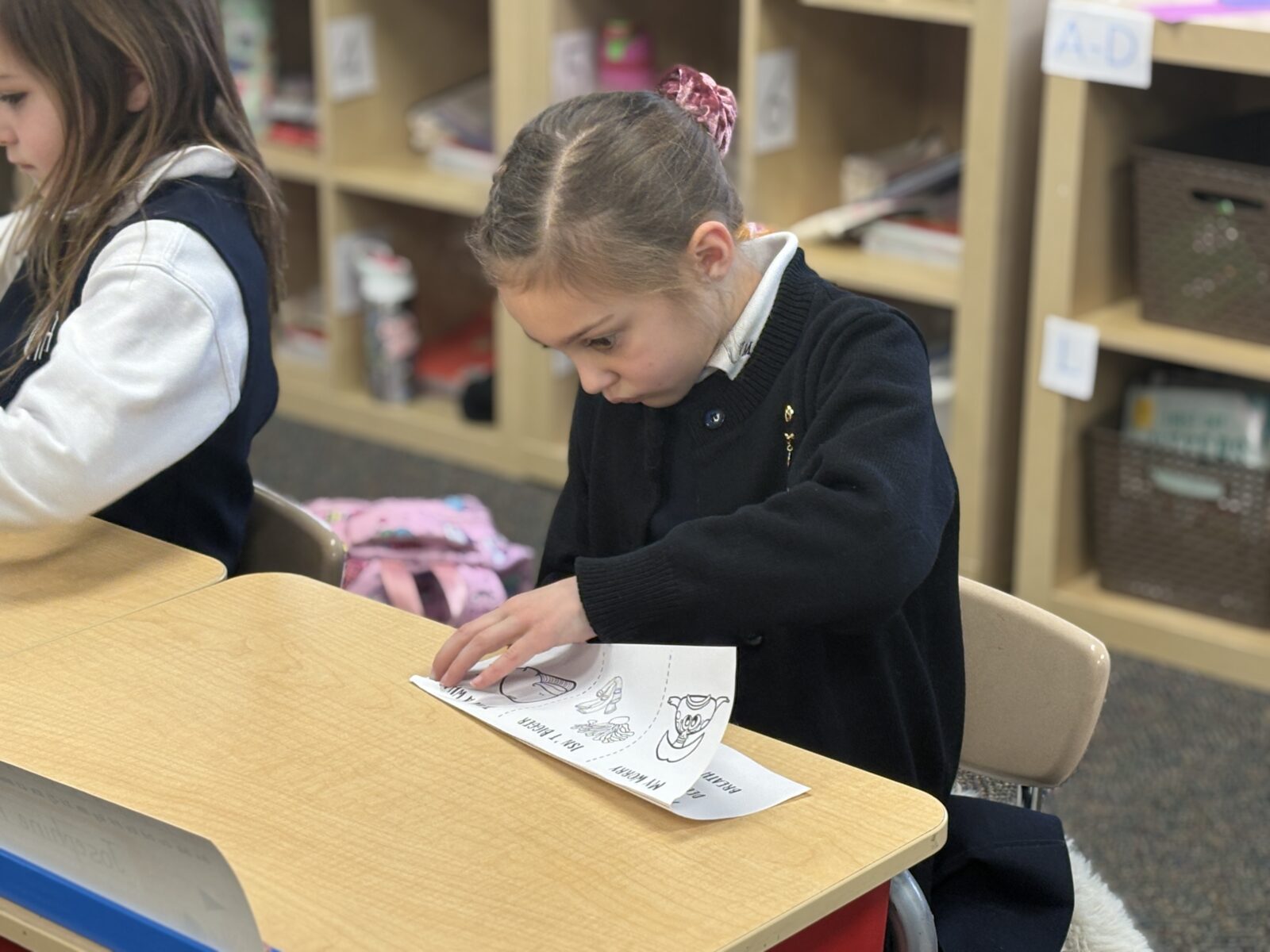
Kindergarten: Understanding Worry
Read-aloud used: Ruby Finds a Worry by Tom Percival
Kindergarteners learned that worries can grow bigger when we keep them to ourselves. They practiced strategies to “shrink” worries, including talking about them, drawing them, and taking calming breaths. The girls discovered that naming a worry helps reduce its power.
1st Grade: Settling Worry with Support
Read-aloud used: The Pout-Pout Fish and the Worry-Worry Whale by Deborah Diesen
First graders reinforced the idea that worries are normal but manageable. Through discussion and activities, they practiced strategies for calming anxious thoughts and learned the importance of sharing concerns with trusted adults and friends.
2nd Grade: Thoughts, Decisions & Our “Internal Compass”
Read-aloud used: Claris: The Chicest Mouse in Paris and The Secret Crown by Megan Hess
Second graders added an important layer – when we feel worried about what decision to make, our values or “internal compass” can guide us.
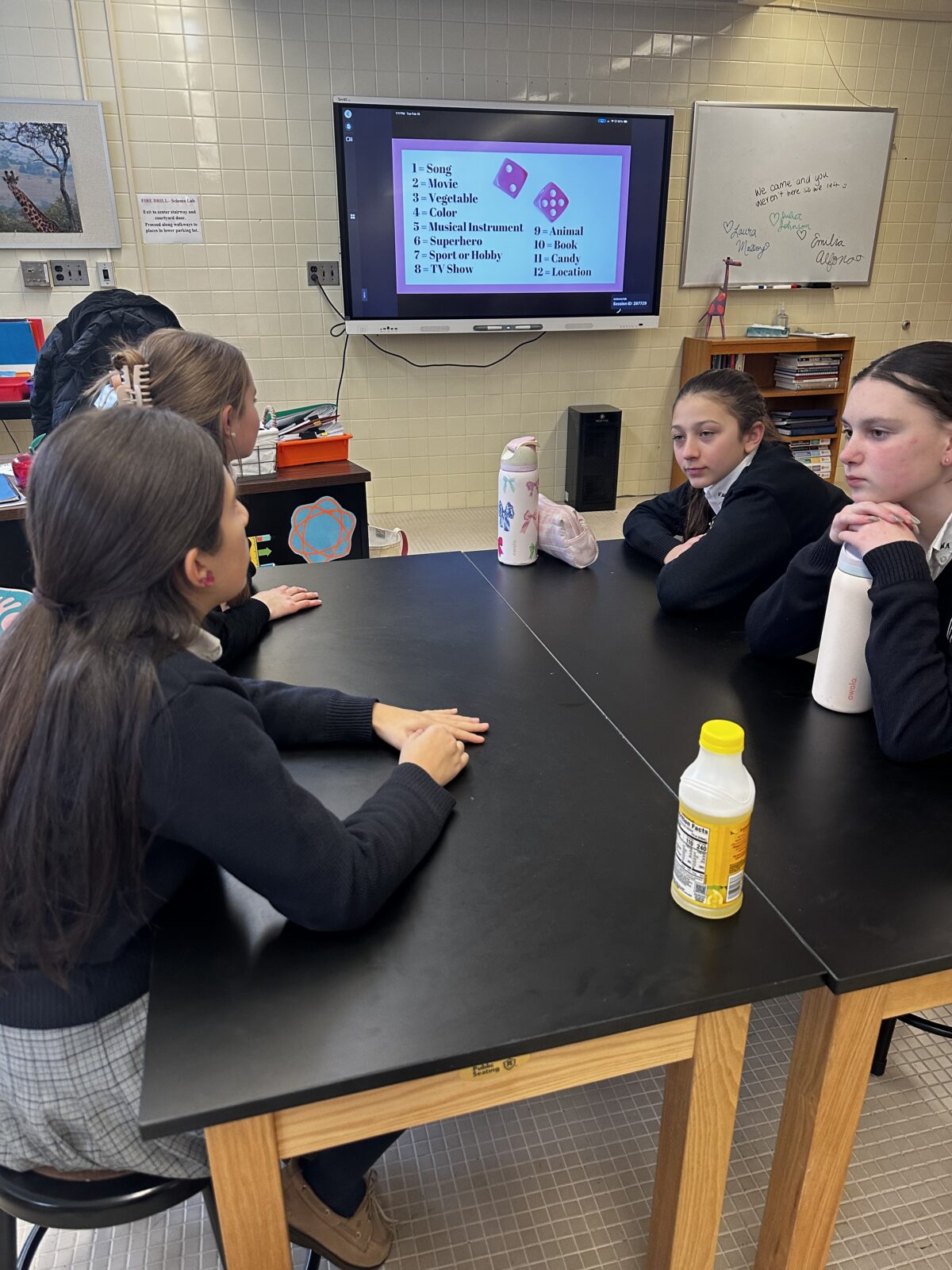
Through a game of “Would You Rather?” students explored what matters most to them. They identified how their values help them make thoughtful choices, especially when faced with uncertainty.
Grades 3–5: The Power of Thoughts & Words
Students in Grades 3–5 expanded the conversation to include how thoughts and words impact emotions and relationships.
3rd Grade: Thoughts That Grow or Shrink Worry
Read-aloud used: Avocado Feels a Pit Worried by Brenda S. Miles
Third graders explored how certain thoughts and words can increase anxious feelings (the “pit” in your stomach) while others can lessen them. Through a group sorting activity, the girls identified which statements grow worry and which promote courage and shrink anxious thoughts and feelings.
A strong emphasis was placed on the role of supportive friendships and shifting thinking from a negative mindset of “What if it goes wrong?” to a positive one of “What if it goes really well?”
4th Grade: Tone of Voice & Communication
Read-aloud used: Lady Pancake & Sir French Toast: Short & Sweet by Josh Funk
Fourth graders examined the important message: “It’s not just what you say, but how you say it.”
Building on past lessons about perspective and forgiveness, the girls learned how tone of voice can either build relationships or create misunderstandings. Through discussion and examples, they reflected on how respectful communication strengthens collaboration and connection.
5th Grade: Taking Chances & Building Hope
Read-aloud used: Taking Chances by Kobi Yamada
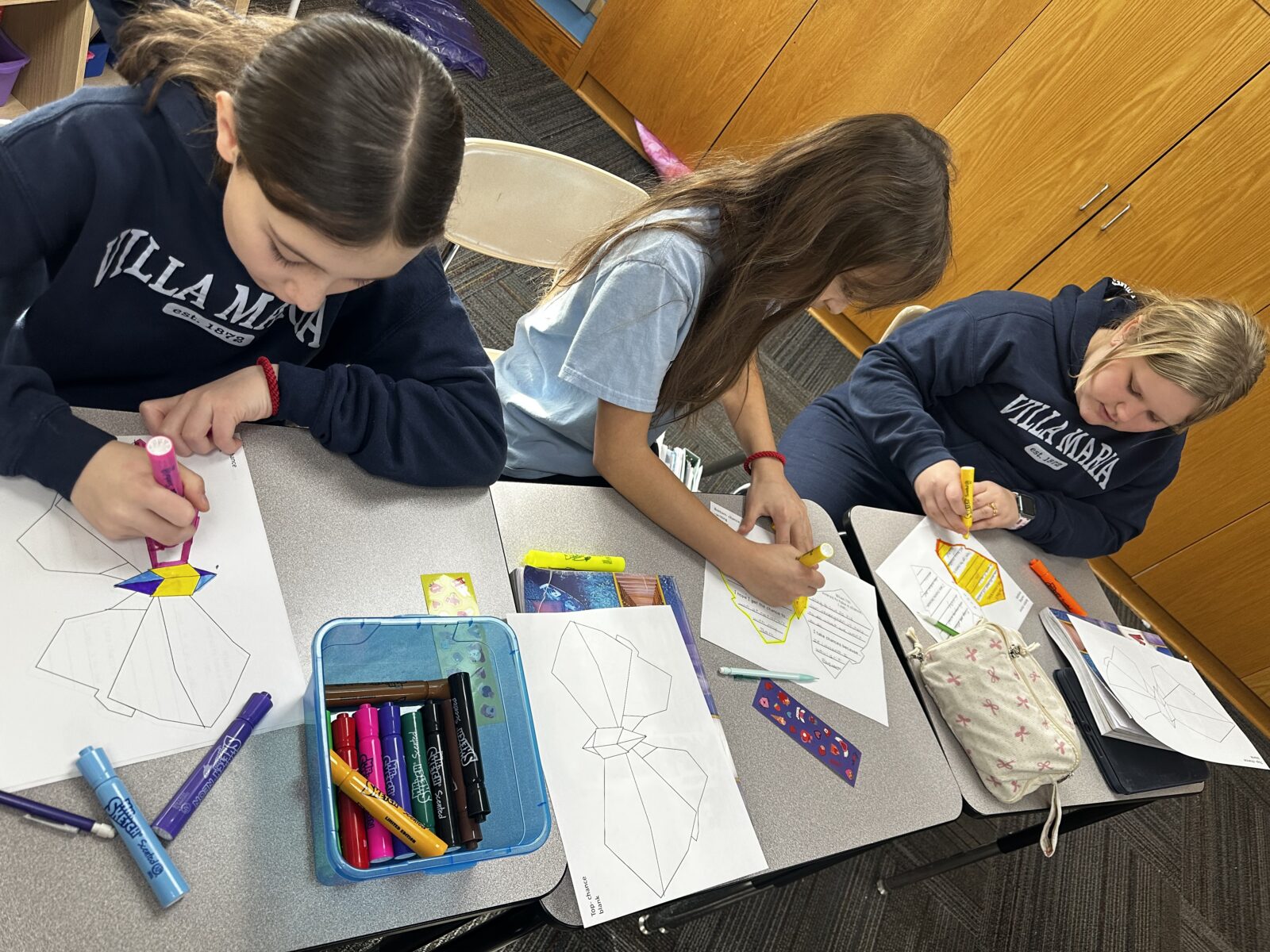
Inspired by Olympic athletes and the courage to try something new, fifth graders explored how curiosity and risk-taking build optimism, resilience, and hope.
Students reflected on past experiences where they took a chance and considered new aspirations for growth. The lesson emphasized that taking thoughtful risks expands confidence and capability.
Grades 6–8: Relationship with Self & Meaning
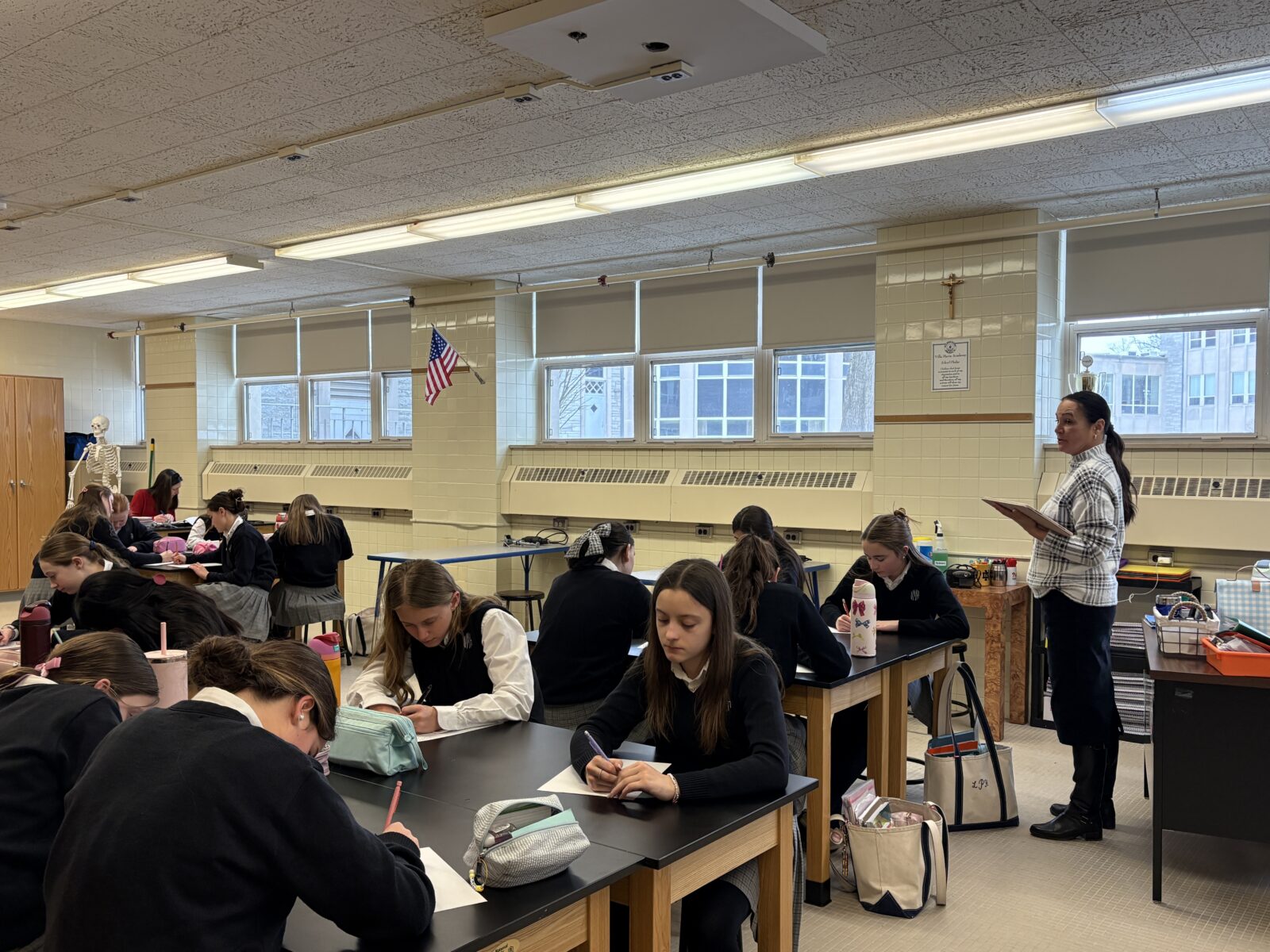
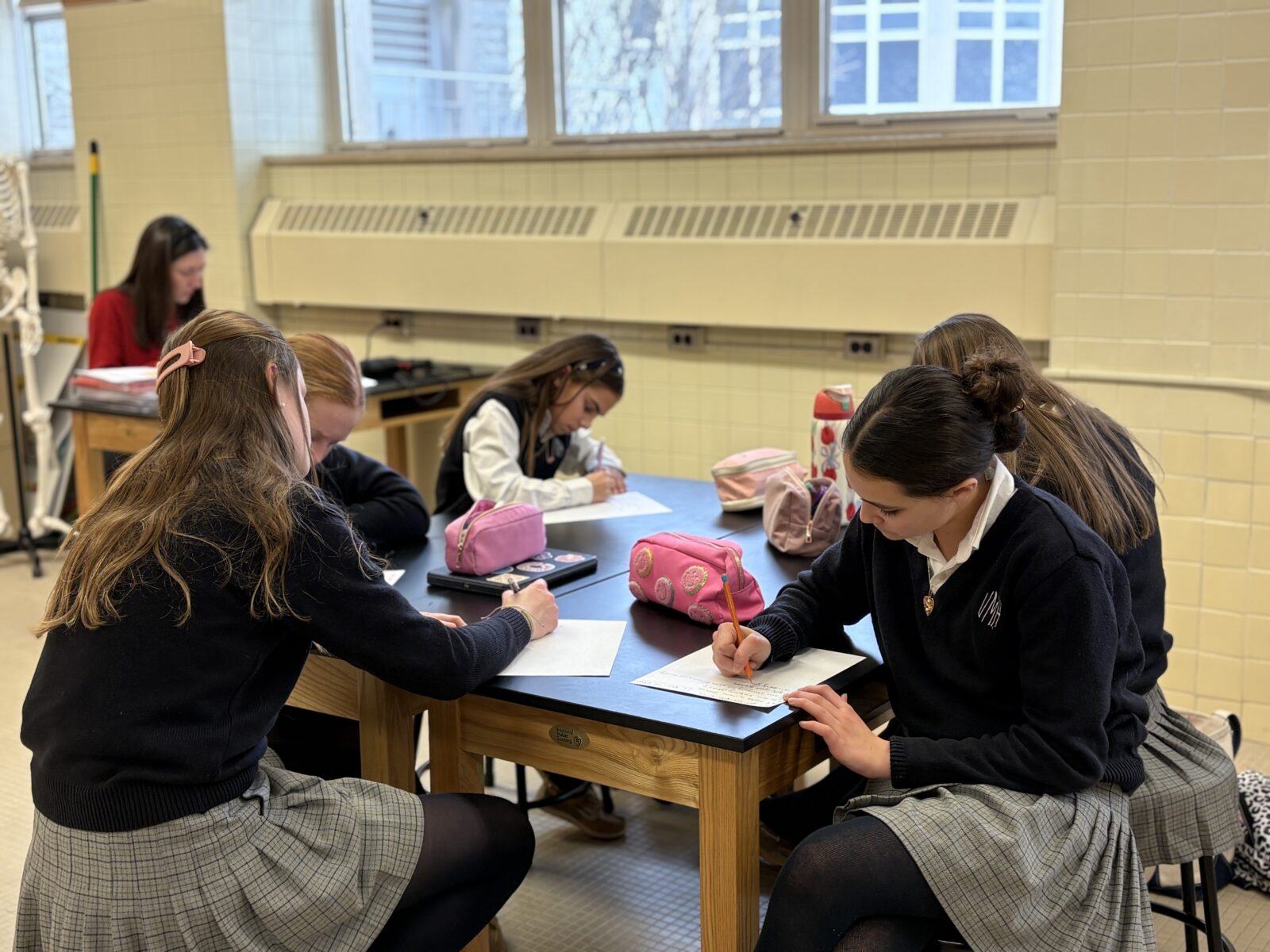
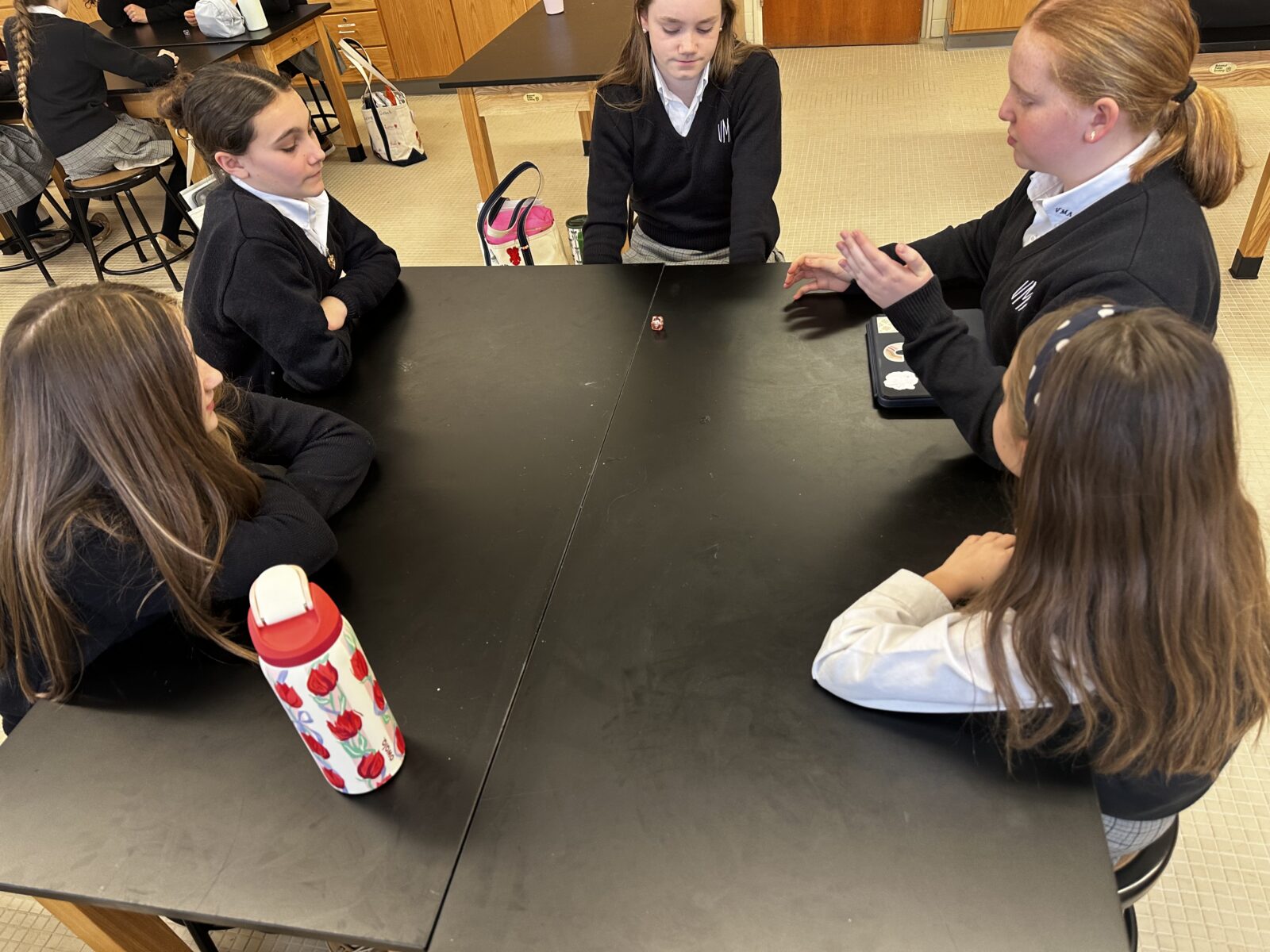
Middle school students continued their exploration of the PERMA model of well-being, shifting from relationships with others to the relationship with oneself, a necessary foundation before exploring the pillar of Meaning.
Students were given intentional time for quiet reflection and inward thinking. Through guided prompts, they examined:
- The people who matter most to them
- The activities that energize them
- The places that bring peace
- The values that guide their decisions
- What they love most about themselves
By increasing self-awareness, students strengthened their understanding of what creates purpose and direction in their lives and the importance of being true to themselves by not hiding their gifts, talents, and passions and the impact in sharing them with others. A great example of this in action was the Apple commercial “Share Your Gifts” which was viewed during the lesson as well.
Parent Well-Being Tip: You Matter More Than You Think
Across all grade levels, February’s lessons reinforced one powerful truth: our thoughts shape our reality, and our relationships, especially the one we have with ourselves, shape our well-being.
One of the most impactful ways to model well-being for your daughter is to reflect on this question:
Where do I experience mattering in my own life and where might I need more of it?
Research shows that feeling valued and knowing we add value to others is a key driver of mental health, motivation, and resilience.
Recommended Resource: Mattering by Jennifer Wallace
Through her newly released book, her TED Talk and interviews on several platforms including Oprah’s podcast and mainstream media outlets, she discusses how mattering impacts children, families, and school communities.
Try This at Home:
Once a week, ask:
- “When did you feel like you mattered this week?”
- “When did you help someone else feel like they mattered?”
These small conversations build confidence, connection, and emotional strength for both children and adults.

Related Posts

